

A safe workplace isn’t just a legal requirement—it’s a foundation for trust, productivity, and long-term wellbeing. For janitorial staff, OSHA standards cover a wide range of daily risks, from slip hazards and chemical handling to PPE, ergonomics, and equipment safety.
This guide is designed for facility managers, operations leaders, and janitorial supervisors responsible for maintaining OSHA compliance while protecting frontline staff.
OSHA takes these requirements seriously. As of January 2025, maximum civil penalties are $16,550 per violation for serious or other-than-serious violations; $165,514 per violation for willful or repeated violations; and $16,550 per day for failure to abate past the deadline
At Boelter, we know safety starts with preparation and the right tools. That’s why we partner with operations teams to provide practical solutions that help protect staff while maintaining OSHA compliance.
1. Slip, Trip, and Fall Prevention
Slips, trips, and falls remain one of OSHA’s most frequently cited hazards, and for good reason. Wet floors, leaking equipment, corded equipment, and cluttered walkways create daily risks for janitorial staff.
Prevention starts with visibility. Placing bright wet floor caution signs whenever surfaces are slippery ensures employees and guests are warned before accidents happen. Adding durable non-slip mats in high-risk areas like dishwashing stations or behind bars further reduces hazards by keeping footing secure. Entrance or walk-off matting at building entryways also helps prevent moisture and debris from being tracked indoors.
Together, these simple measures create safer, cleaner pathways throught a facility.
2. Safe Chemical Handling
From degreasers to sanitizers, chemicals are essential for cleaning but can be dangerous without proper safeguards. OSHA’s Hazard Communication Standard requires clear labeling, employee training, and access to Safety Data Sheets (SDS).
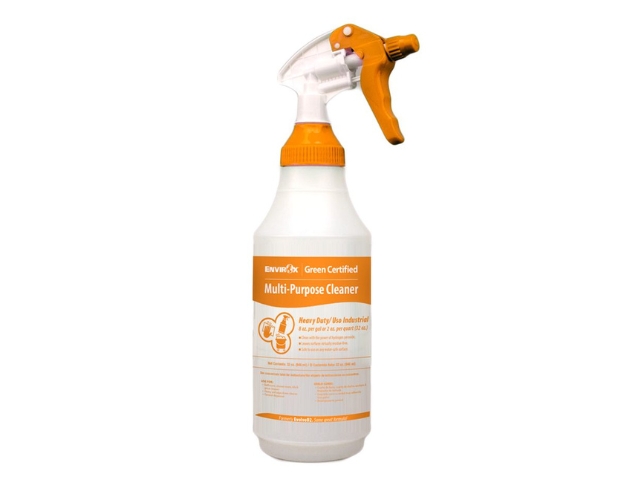
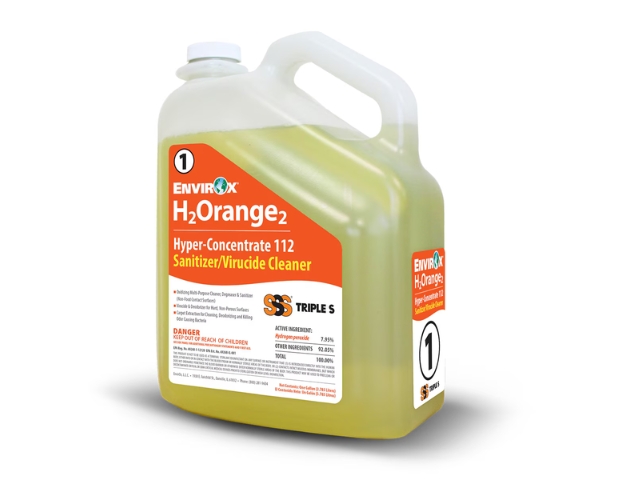
Employeers must ensure SDSs are readily available, whether in a physical binder or electronically. These documents outline health hazards, chemical properties, and safe handling procedures, making them a critical part of any janitorial safety program. Color-coding supports safe chemical handling by reducing confusion. Pre-labeled spray bottles help prevent mistakes and remind staff never to mix chemicals. For facilities looking to reduce overall risk, eco-friendly solutions like Envirox H2Orange2 deliver powerful cleaning with lower toxicity—safer for both staff and the environment.
3. Personal Protective Equipment (PPE)
Janitorial teams are routinely exposed to chemical splashes, airborne particles, and other biological hazards, making proper PPE essential. OSHA requires employers to provide suitable protective equipment based on job-specific risks.
Common PPE for Janitorial Staff
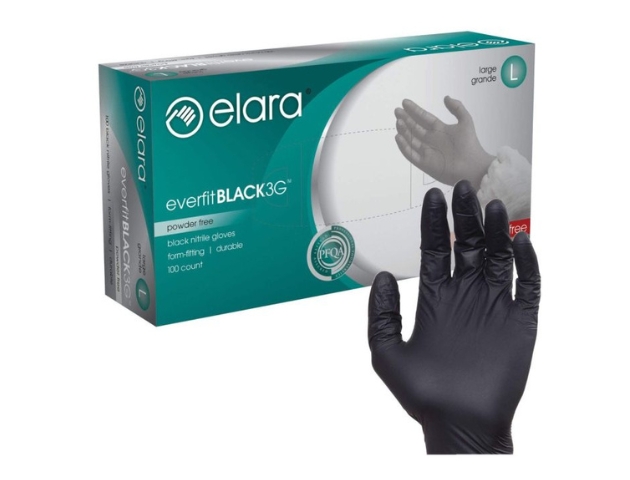
- Sturdy nitrile chemical-resistant gloves shield hands from harsh cleaners
- Safety goggles or face shields guard against splashes.
Bloodborne Pathogens Protection
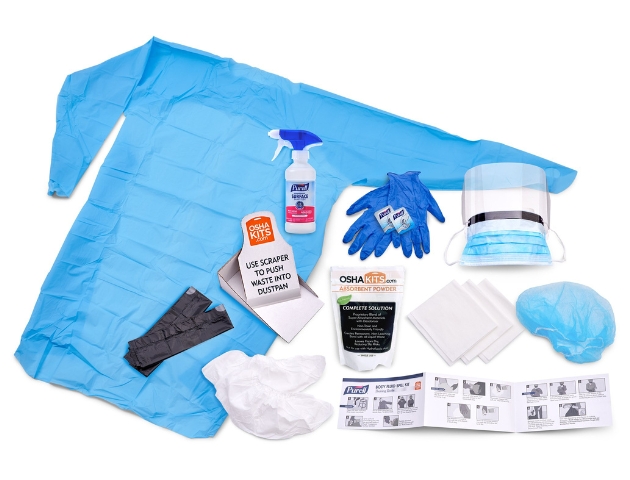
OSHA’s Bloodborne Pathogens Standard also requires employers to develop an Exposure Control Plan and supply the necessary PPE, such as gloves, gowns, and face shields. Tools like the Purell Spill Kit support compliance with this standard by offering a ready-to-use solution for safely cleaning and disinfecting blood or bodily fluid spills.
4. Ergonomics & Equipment Safety
Heavy mop buckets, overfilled trash bags, and awkward lifting positions can all lead to musculoskeletal injuries. OSHA emphasizes ergonomics because repetitive strain and improper lifting are common causes of workplace injury.
Ergonomic upgrades can make a meaningful difference:
- Rubbermaid utility carts make it easier to transport supplies without strain
- Trash can dollies keep heavy bins mobile and manageable.
- Lightweight microfiber mops can reduce strain on the shoulders and back during repetitive cleaning tasks.
5. Fire Safety
OSHA requires accessible fire extinguishers and clear exit routes, but janitorial staff play a vital role in fire prevention too. Keeping hallways clear of clutter, storing chemicals correctly, and removing flammable waste like grease or oily rags reduces risks significantly.
Regular inspections ensure extinguishers are available when needed and pathways remain safe for evacuation.
6. Electrical Safety
With vacuums, floor scrubbers, and extension cords in daily use, electrical safety is another OSHA priority. Janitorial staff should:
- Inspect cords for fraying or damage
- Keep electrical equipment away from water
- Avoid overloading outlets and circuits.
- Unplug machines before cleaning or maintenance
Routine inspections, combined with clear training, help ensure electrical tools are safe, reliable, and compliant.
OSHA compliance isn’t just about avoiding fines—it’s about protecting the people who keep facilities running. For janitorial teams, that means clear safety protocols, the right training, and access to reliable products that reduce risk.
At Boelter, we’re here to support you in those efforts. Contact a janitorial expert today for a free consultation on which products would be best for your operation.